

Social Media LEARNING: The Complete Guide to Growing Your Business Online
Introduction
In today’s digital world, social media has become an essential part of everyday life. Billions of people use platforms like Facebook, Instagram, LinkedIn, X (formerly Twitter), TikTok, Pinterest, and YouTube to connect, discover new products, and engage with brands. For businesses, this presents an incredible opportunity to reach their target audience,Social Media Learning . This is where Social Media Marketing (SMM) plays a vital role.
Social Media marketing is one of the most effective digital marketing strategies because it allows businesses to communicate directly with customers, increase brand awareness, generate leads, and build a loyal online community. Whether you’re a startup, a small business, or a global enterprise, a well-planned social media strategy can significantly improve your online presence and business growth.
In this guide, you’ll learn what social media marketing is, its benefits, key strategies, best practices, common mistakes to avoid, and how businesses can achieve long-term success through social media.
What is Social Media LEARNING MARKETING?
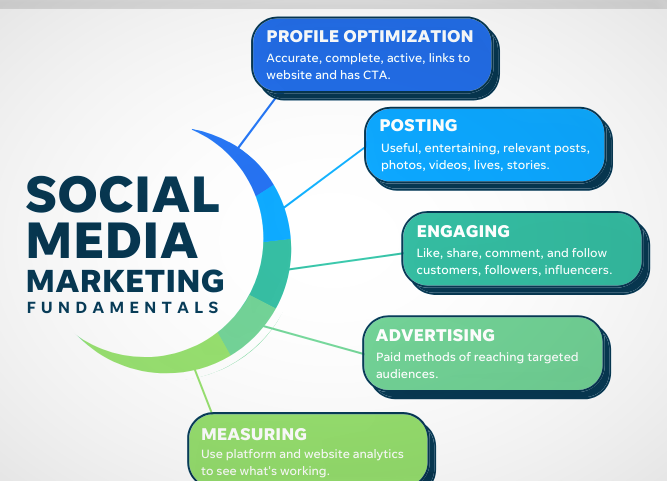
Social Media Marketing (SMM) is the process of using social media platforms to promote a business, product, or service. It involves creating and sharing valuable content, interacting with followers, running paid advertising campaigns, and analyzing performance to improve results.
The primary goals of social media marketing include:
- Increasing brand awareness
- Driving website traffic
- Generating leads
- Boosting sales
- Building customer relationships
- Improving customer engagement
- Strengthening brand reputation
Unlike traditional advertising, social media enables two-way communication, allowing businesses to interact directly with their audience.
Why Social Media LEARNING Marketing is Important
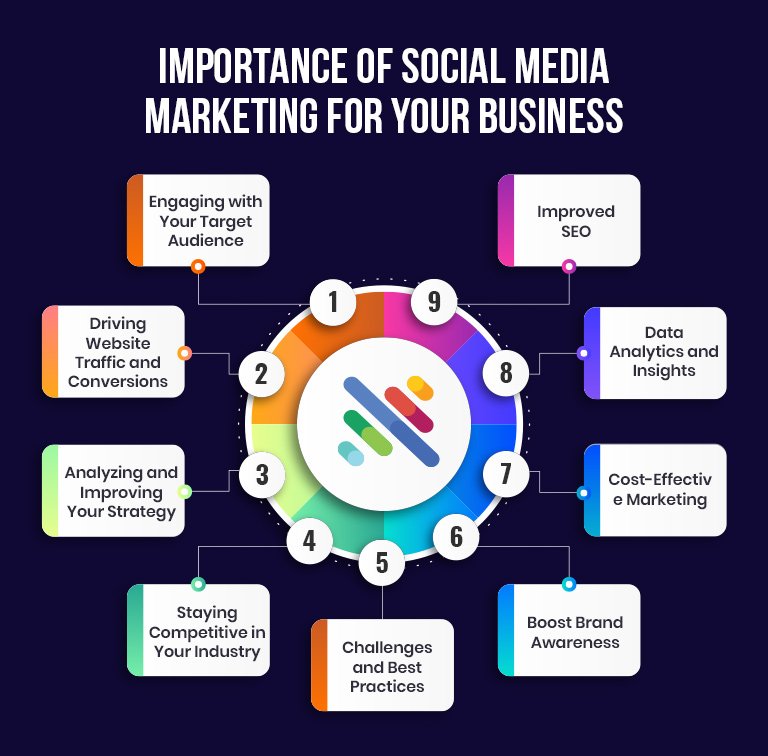
Today, consumers spend a significant amount of time on social media platforms. They use these platforms to discover brands, read reviews, watch videos, compare products, and make purchasing decisions.
Social media marketing offers several advantages:
- Expands your brand’s online reach
- Connects with your target audience
- Builds trust and credibility
- Increases website traffic
- Generates qualified leads
- Improves customer service
- Encourages customer loyalty
- Supports other digital marketing strategies like SEO and email marketing
A strong social media presence helps businesses remain competitive in today’s fast-paced digital marketplace.
Benefits of Social Media Marketing
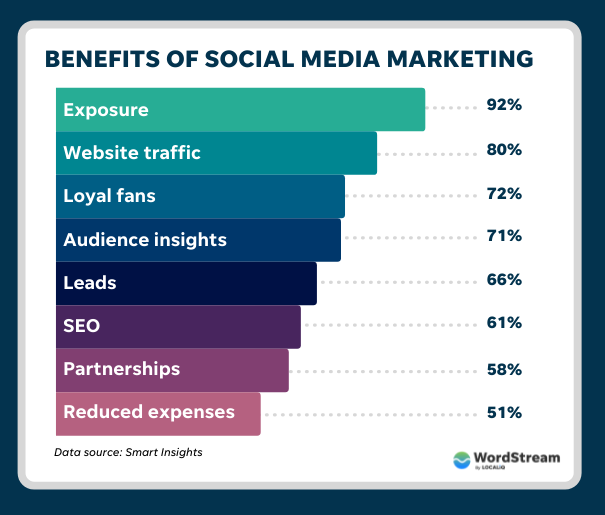
1. Increased Brand Awareness
Social media platforms expose your business to millions of potential customers. Consistent posting helps people recognize and remember your brand.
2. Better Customer Engagement
Businesses can interact with customers through comments, direct messages, polls, stories, and live sessions.
This engagement strengthens customer relationships and builds trust.
3. Higher Website Traffic
Sharing blog posts, landing pages, and product links encourages followers to visit your website, increasing opportunities for conversions.
4. Lead Generation
Social media campaigns can capture qualified leads through forms, contests, downloadable resources, webinars, and promotional offers.
5. Improved Customer Support
Many customers now expect businesses to provide support through social media channels.
Quick responses improve customer satisfaction and brand reputation.
6. Cost-Effective Marketing
Compared to traditional advertising, social media marketing requires relatively low investment while offering excellent reach and measurable results.
Popular Social Media Platforms
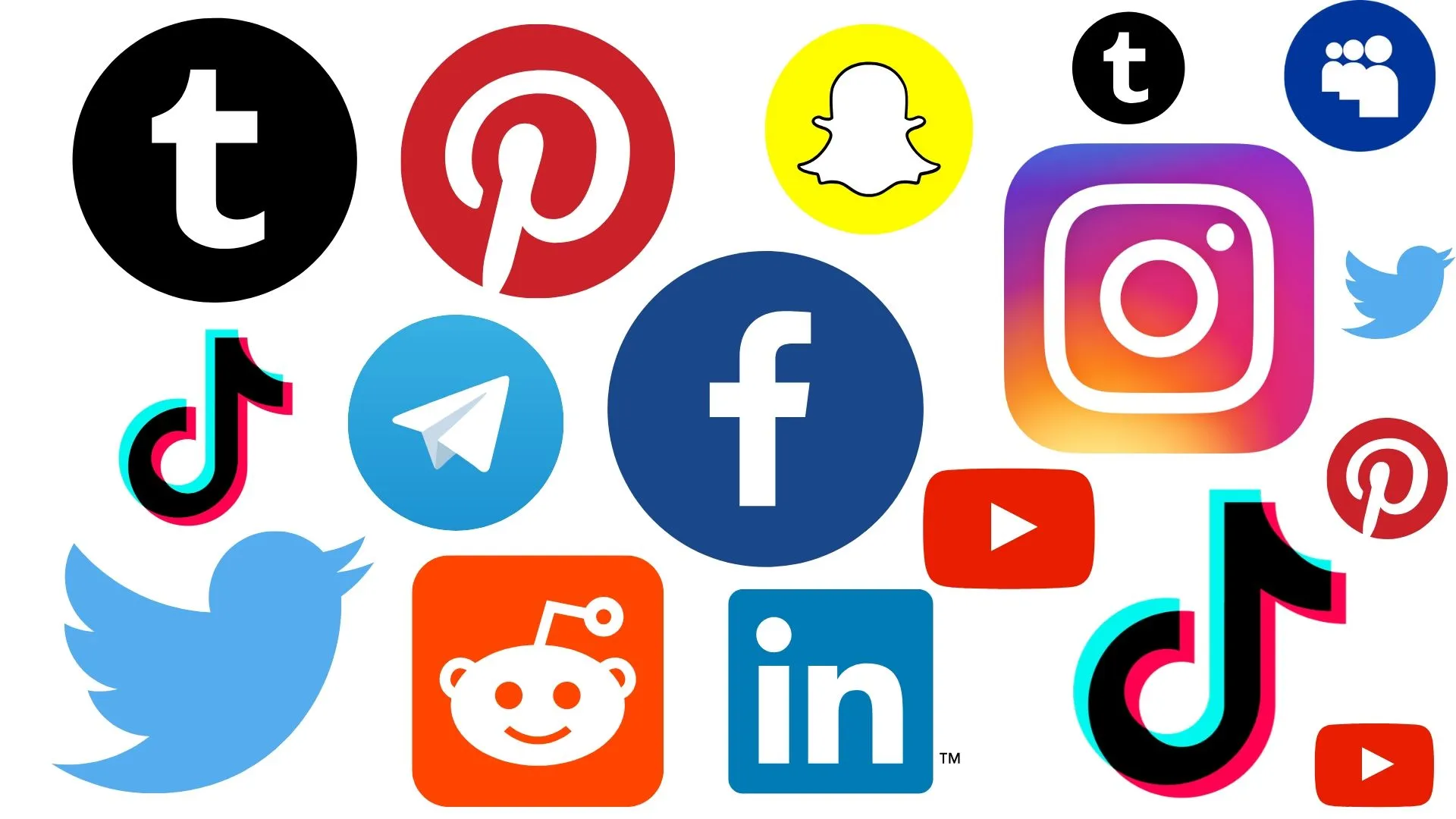
Every platform serves a different audience and marketing purpose.
Ideal for community building, advertising, lead generation, and local businesses.
Best for visual content, lifestyle brands, fashion, beauty, travel, and food businesses.
Perfect for B2B marketing, professional networking, recruitment, and thought leadership.
YouTube
Excellent for educational videos, tutorials, product demonstrations, and brand storytelling.
TikTok
Great for short-form entertaining videos that appeal to younger audiences.
Useful for home décor, fashion, DIY projects, recipes, and eCommerce businesses.
Choosing the right platform depends on your target audience and business objectives.
Creating an Effective Social Media Strategy
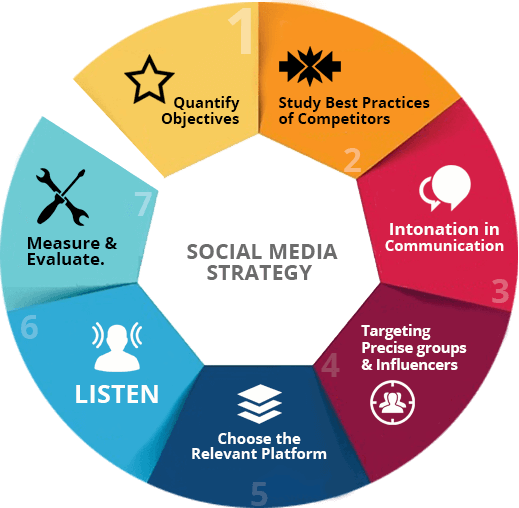
A successful social media marketing campaign begins with a well-defined strategy.
Define Your Goals
Set clear objectives such as:
- Increase followers
- Drive website traffic
- Generate leads
- Increase sales
- Improve engagement
- Build brand awareness
Know Your Audience
Understand your audience’s:
- Age
- Interests
- Location
- Online behavior
- Purchasing habits
- Preferred social media platforms
Audience research helps create relevant and engaging content.
Content Marketing for Social Media
Content is the foundation of successful social media marketing.
Businesses should create content that educates, entertains, and inspires their audience.
Popular content types include:
- Educational posts
- Short videos
- Reels
- Infographics
- Customer testimonials
- Product demonstrations
- Behind-the-scenes content
- Live videos
- Polls and quizzes
- User-generated content
High-quality visuals and engaging captions significantly improve audience interaction.
The Importance of Consistency
Posting consistently keeps your audience engaged and helps social media algorithms recognize your content.
Develop a content calendar to plan:
- Daily posts
- Weekly campaigns
- Promotional events
- Seasonal offers
- Product launches
Consistency builds brand recognition and keeps your audience connected.
Social Media Advertising

Organic reach is valuable, but paid advertising allows businesses to reach a larger audience more quickly.
Popular advertising options include:
- Facebook Ads
- Instagram Ads
- LinkedIn Ads
- YouTube Ads
- TikTok Ads
- Pinterest Ads
Paid campaigns can target users based on:
- Age
- Gender
- Interests
- Location
- Occupation
- Purchasing behavior
This precise targeting increases the chances of attracting qualified customers.
Influencer Marketing
Influencer marketing has become a powerful extension of social media marketing.
Businesses collaborate with influencers who have established credibility and loyal followers.
Benefits include:
- Increased brand exposure
- Greater audience trust
- Higher engagement
- Improved conversions
- Authentic product promotion
Selecting influencers whose audience aligns with your target market is essential for success.
Best Practices for Social Media Marketing
To maximize results, follow these proven strategies:
- Create valuable and original content.
- Use high-quality images and videos.
- Maintain consistent branding across all platforms.
- Respond promptly to comments and messages.
- Use relevant hashtags strategically.
- Encourage user-generated content.
- Include clear calls-to-action (CTAs).
- Analyze performance regularly.
- Stay updated with platform trends and algorithm changes.
- Experiment with different content formats such as Reels, Stories, and Live videos.
Building genuine relationships with your audience is more effective than focusing solely on promotional content.
Common Social Media Marketing Mistakes
Many businesses struggle because they overlook key practices.
Avoid these common mistakes:
- Posting inconsistently
- Ignoring audience engagement
- Using poor-quality visuals
- Publishing only promotional content
- Not tracking campaign performance
- Targeting the wrong audience
- Ignoring customer feedback
- Overusing hashtags
- Buying fake followers
- Failing to adapt content for different platforms
Avoiding these mistakes helps build credibility and long-term success.
Measuring Social Media Success
Tracking performance helps determine whether your strategy is delivering results.
Important metrics include:
- Reach
- Impressions
- Engagement Rate
- Click-Through Rate (CTR)
- Website Traffic
- Conversion Rate
- Follower Growth
- Video Views
- Cost Per Click (CPC)
- Return on Ad Spend (ROAS)
Analyzing these metrics allows businesses to optimize future campaigns.
Future Trends in Social Media Marketing

Social media continues to evolve rapidly.
Emerging trends include:
- AI-powered content creation
- Short-form video dominance
- Social commerce and in-app shopping
- Personalized customer experiences
- Live streaming
- Interactive content
- Community-driven marketing
- Augmented Reality (AR) experiences
- Influencer partnerships
- Voice and visual search integration
Businesses that embrace these innovations will stay ahead of competitors and better engage modern consumers.
Conclusion
Social Media Marketing has become one of the most influential components of digital marketing. It enables businesses to connect directly with their audience, strengthen brand awareness, generate leads, and drive sustainable growth. By creating valuable content, engaging consistently with followers, leveraging paid advertising, and analyzing campaign performance, businesses can build meaningful relationships that translate into long-term success.
Whether you are a small business looking to increase local visibility or a global brand aiming to expand your reach, investing in a well-planned social media marketing strategy is essential. As digital platforms continue to evolve, businesses that remain adaptable, creative, and customer-focused will be best positioned to thrive in the competitive online marketplace.