
Introduction
In today’s competitive digital landscape, simply having a website is not enough. Millions of websites compete for attention every day, making it essential for businesses to stand out in search engine results. This is where Search Engine Optimization (SEO) plays a crucial role. SEO is one of the most effective digital marketing strategies that helps businesses increase their online visibility, attract qualified traffic, and generate more leads and sales without relying solely on paid advertising.
Whether you own a small business, an eCommerce store, or a large enterprise, implementing the right SEO strategy can significantly improve your website’s performance. In this guide, we’ll explore what SEO is, why it’s important, and the best practices that can help your website rank higher on search engines like Google.
What is SEO?
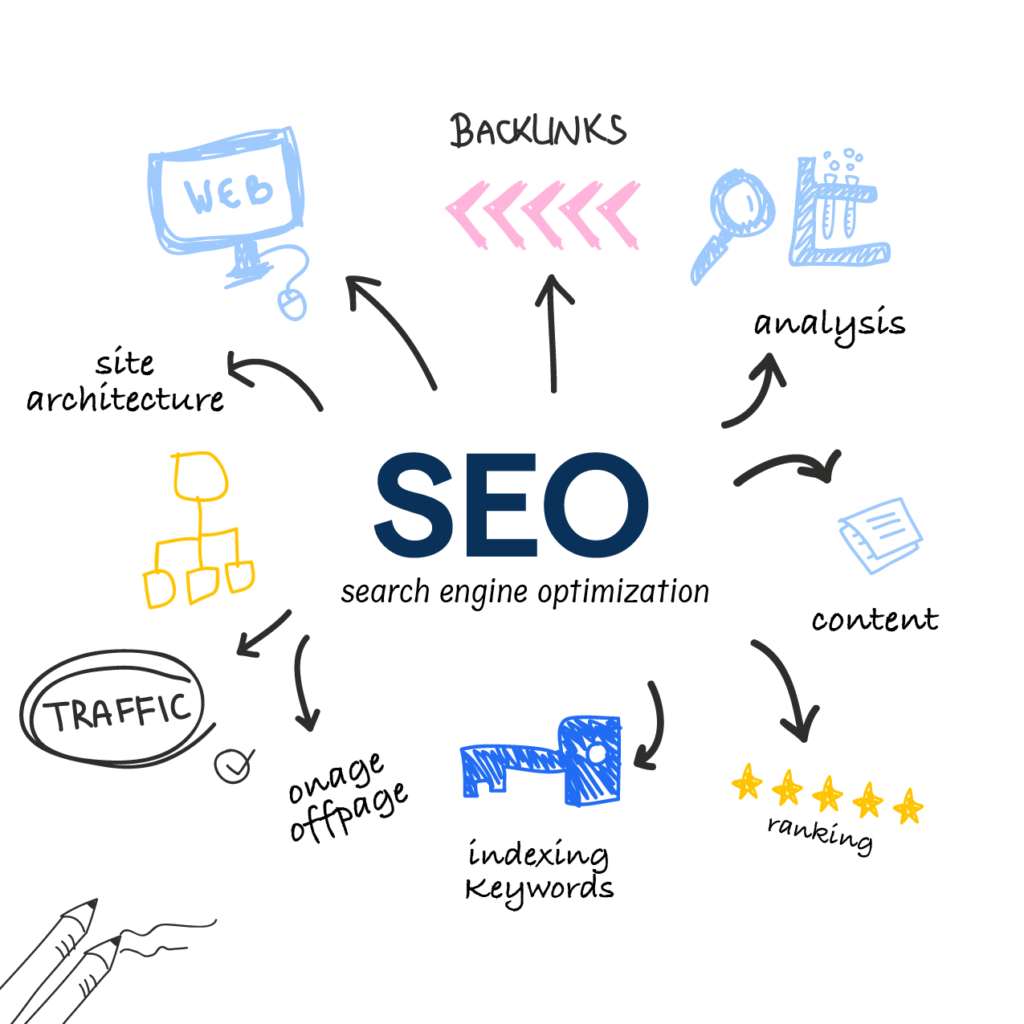
Search Engine Optimization (SEO) is the process of optimizing a website to improve its ranking on search engine results pages (SERPs). The goal is to make your website more relevant and trustworthy for search engines so they display it to users searching for related products, services, or information.
SEO combines technical improvements, content optimization, keyword research, user experience, and link-building strategies to increase organic (non-paid) traffic.
Unlike paid advertising, SEO delivers long-term results by continuously attracting visitors without paying for every click.
Why SEO is Important in Digital Marketing
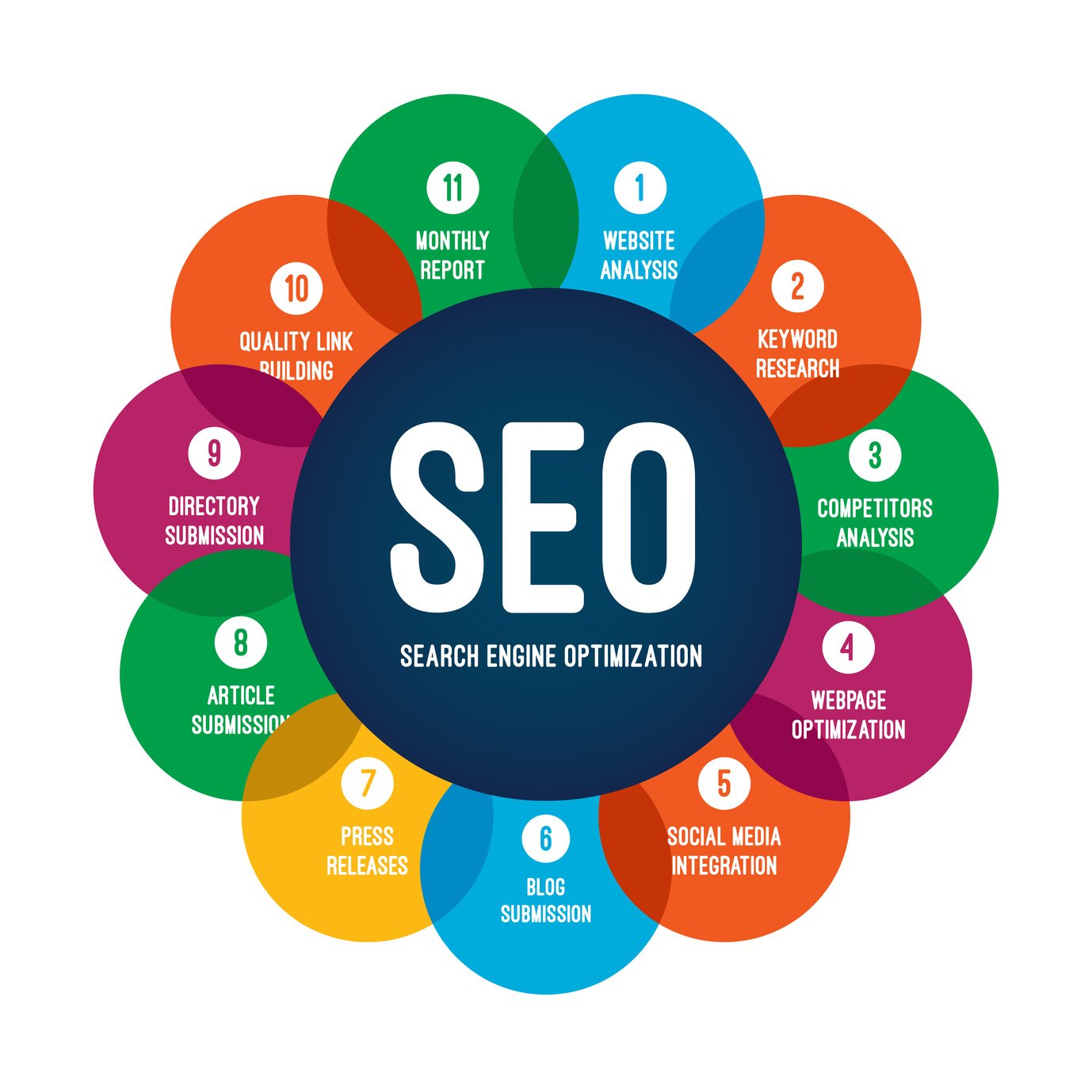
SEO has become one of the most valuable components of digital marketing because consumers rely heavily on search engines to find information.
Some major benefits include:
- Increases website visibility
- Drives high-quality organic traffic
- Builds trust and credibility
- Generates qualified leads
- Improves user experience
- Provides long-term marketing results
- Offers a higher return on investment (ROI)
- Supports brand awareness
Businesses investing in SEO often experience sustainable growth compared to relying only on paid advertisements.
How Search Engines Work
Before optimizing a website, it’s important to understand how search engines function.
Search engines generally follow three major steps:
1. Crawling
Search engine bots scan websites across the internet to discover new pages and updated content.
2. Indexing
The discovered pages are stored in Google’s index where they become eligible to appear in search results.
3. Ranking
Google evaluates hundreds of ranking factors to determine which pages provide the best answer for a user’s search query.
Factors include:
- Content quality
- Keyword relevance
- Website speed
- Mobile responsiveness
- Backlinks
- User experience
- Website authority
Types of SEO
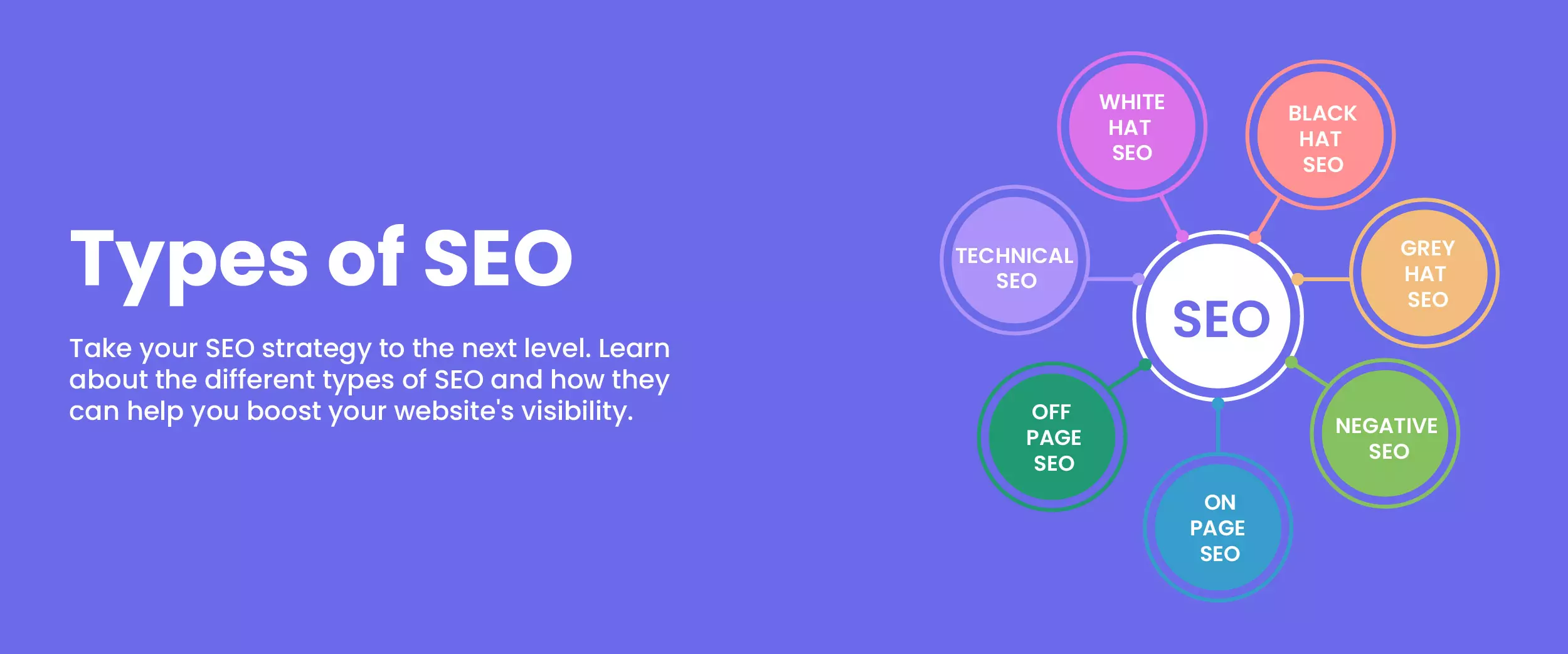
SEO is generally divided into four major categories.
1. On-Page SEO
On-page SEO focuses on optimizing the content and HTML elements of individual web pages.
Important elements include:
- Title Tags
- Meta Descriptions
- Header Tags (H1-H6)
- URL Structure
- Internal Linking
- Image Optimization
- Keyword Placement
- Content Quality
A well-optimized page helps search engines understand the topic while providing value to visitors.
2. Off-Page SEO
Off-page SEO focuses on increasing your website’s authority through external signals.
Popular off-page strategies include:
- Link Building
- Guest Posting
- Brand Mentions
- Social Media Promotion
- Influencer Outreach
- Business Directories
High-quality backlinks from authoritative websites signal trust to search engines.
3. Technical SEO
Technical SEO ensures that search engines can crawl and index your website efficiently.
Key areas include:
- Website Speed Optimization
- Mobile Friendliness
- XML Sitemap
- Robots.txt
- HTTPS Security
- Canonical Tags
- Structured Data (Schema Markup)
- Core Web Vitals
- Fixing Broken Links
Technical SEO creates a strong foundation for higher rankings.
4. Local SEO
Local SEO helps businesses appear in local search results.
Essential local SEO practices include:
- Google Business Profile Optimization
- Local Citations
- Customer Reviews
- NAP Consistency (Name, Address, Phone Number)
- Local Keywords
- Location-Based Content
This is especially valuable for businesses serving specific cities or regions.
Keyword Research
Keyword research is the foundation of every successful SEO strategy.
It involves identifying the words and phrases people search for online.
There are three major keyword types:
Short-Tail Keywords
Example:
- Digital Marketing
These have high search volume but also high competition.
Long-Tail Keywords
Example:
- Best Digital Marketing SEO Tips for Small Businesses
Long-tail keywords usually convert better because they target specific search intent.
Transactional Keywords
These indicate purchase intent.
Example:
- Hire SEO Agency
- Buy SEO Services
Targeting the right keywords helps attract visitors who are genuinely interested in your products or services.
Creating SEO-Friendly Content
Content remains one of Google’s strongest ranking factors.
Quality content should:
- Solve user problems
- Be easy to read
- Include relevant keywords naturally
- Use headings and subheadings
- Include images and videos
- Answer common questions
- Be regularly updated
Google rewards content that demonstrates expertise, originality, and usefulness.
Importance of Website Speed
Website speed directly affects both user experience and SEO rankings.
Slow websites often experience:
- Higher bounce rates
- Lower conversions
- Poor user engagement
Ways to improve speed include:
- Compress images
- Enable browser caching
- Minify CSS and JavaScript
- Use a Content Delivery Network (CDN)
- Optimize server response time
- Remove unused plugins
- Use modern image formats like WebP
Fast-loading websites generally perform better in search results.
Mobile SEO
More than half of internet users browse websites using mobile devices.
Google follows Mobile-First Indexing, meaning it primarily evaluates the mobile version of your website.
Best practices include:
- Responsive Design
- Fast Mobile Speed
- Readable Fonts
- Touch-Friendly Buttons
- Optimized Images
- Minimal Popups
A mobile-friendly website improves both rankings and user satisfaction.
Link Building Strategies
Backlinks remain one of Google’s strongest ranking signals.
Effective strategies include:
- Guest Blogging
- Creating High-Quality Content
- Broken Link Building
- Digital PR
- Resource Page Outreach
- Industry Partnerships
Focus on earning quality backlinks rather than acquiring a large number of low-quality links.
Common SEO Mistakes to Avoid
Many websites struggle to rank because of avoidable mistakes.
Common SEO errors include:
- Keyword Stuffing
- Duplicate Content
- Slow Website Speed
- Poor Mobile Experience
- Missing Meta Descriptions
- Broken Internal Links
- Thin Content
- Ignoring Technical SEO
- Not Updating Old Content
- Buying Spammy Backlinks
Avoiding these issues can significantly improve your website’s search performance.
Measuring SEO Performance
SEO success should be measured regularly using analytics tools.
Important metrics include:
- Organic Traffic
- Keyword Rankings
- Click-Through Rate (CTR)
- Bounce Rate
- Average Session Duration
- Conversion Rate
- Indexed Pages
- Backlink Growth
- Core Web Vitals
Monitoring these metrics helps identify opportunities for continuous improvement.
Future Trends in SEO
SEO continues to evolve as search engines become smarter.
Key trends include:
- AI-powered search experiences
- Voice Search Optimization
- Video SEO
- Visual Search
- User Experience Signals
- Helpful Content Optimization
- Semantic Search
- Entity-Based SEO
- Zero-Click Searches
- Structured Data Expansion
Businesses that adapt to these trends will maintain a competitive advantage.
Final Thoughts
Search Engine Optimization is an essential pillar of digital marketing that helps businesses grow organically, build credibility, and connect with customers who are actively searching for their products or services. Unlike paid advertising, SEO delivers long-term value by consistently attracting qualified visitors and improving online visibility.
A successful SEO strategy combines keyword research, high-quality content, technical optimization, mobile responsiveness, fast website performance, and authoritative backlinks. As search engines continue to evolve, businesses that focus on delivering valuable content and an exceptional user experience will be better positioned to achieve higher rankings and sustainable growth.
Investing in SEO today means building a stronger digital presence for tomorrow. Whether you’re a startup, a local business, or a global brand, implementing SEO best practices can help increase traffic, generate more leads, boost conversions, and establish lasting success in the ever-changing digital marketplace.