
Introduction
Email marketing remains one of the most powerful and cost-effective digital marketing strategies available today. Despite the rise of social media, instant messaging, and other communication platforms, email continues to deliver exceptional results for businesses of all sizes. It provides a direct line of communication with customers, allowing brands to build relationships, promote products, share valuable content, and drive conversions.
Unlike paid advertising, email marketing enables businesses to connect with people who have already shown interest in their products or services. With a well-planned email marketing strategy, companies can increase brand awareness, improve customer loyalty, generate qualified leads, and boost sales while maintaining a strong return on investment (ROI).
In this guide, you’ll learn what email marketing is, why it matters, its key benefits, best practices, common mistakes to avoid, and how to create successful email campaigns that deliver measurable results.
What is Email Marketing?
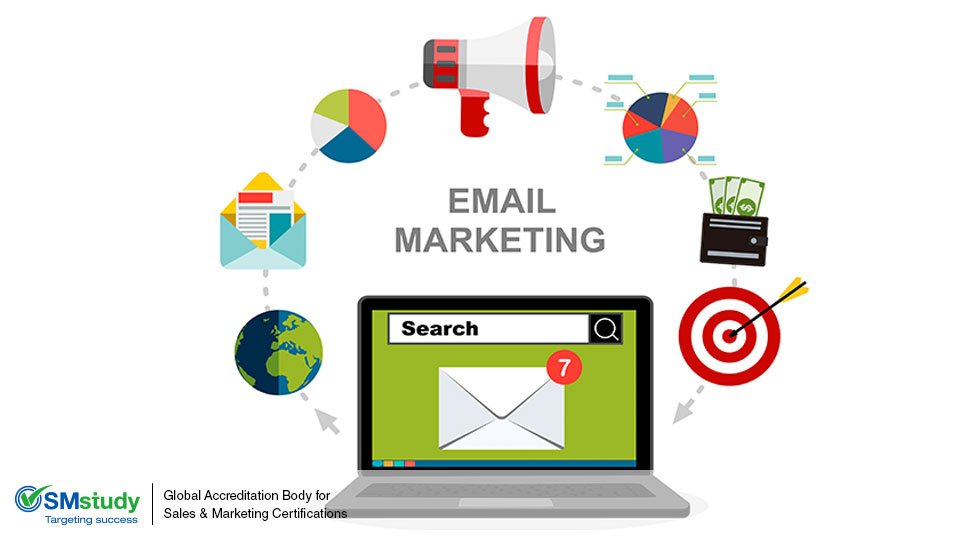
Email marketing is a digital marketing strategy that involves sending targeted emails to a group of subscribers to promote products, services, events, or valuable content. These emails are designed to engage customers, nurture leads, encourage purchases, and strengthen long-term relationships.
Businesses use email marketing for various purposes, including:
- Promoting products and services
- Sharing newsletters
- Announcing new launches
- Offering discounts and promotions
- Sending event invitations
- Delivering educational content
- Following up with leads
- Retaining existing customers
Unlike many other marketing channels, email gives businesses complete control over their communication without relying on third-party algorithms.
Why Email Marketing is Important
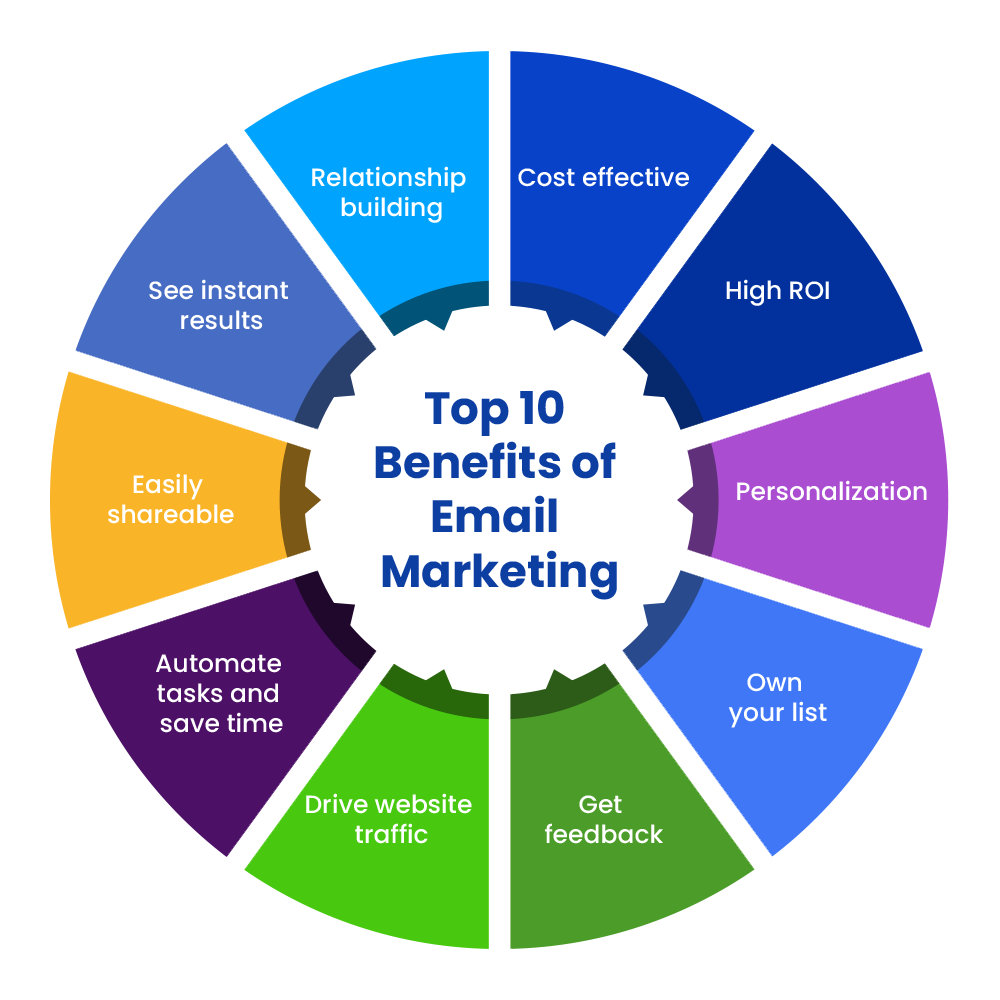
Email marketing continues to be one of the highest-performing digital marketing channels because it reaches customers directly in their inboxes. It allows businesses to communicate with the right audience at the right time using personalized messages.
Some key reasons why email marketing is important include:
- Builds long-term customer relationships
- Generates qualified leads
- Increases website traffic
- Encourages repeat purchases
- Improves customer engagement
- Supports product launches
- Delivers measurable campaign results
- Provides excellent return on investment
Since subscribers have already expressed interest in your business, email marketing often produces higher conversion rates than many other digital marketing methods.
Benefits of Email Marketing
1. Cost-Effective Marketing
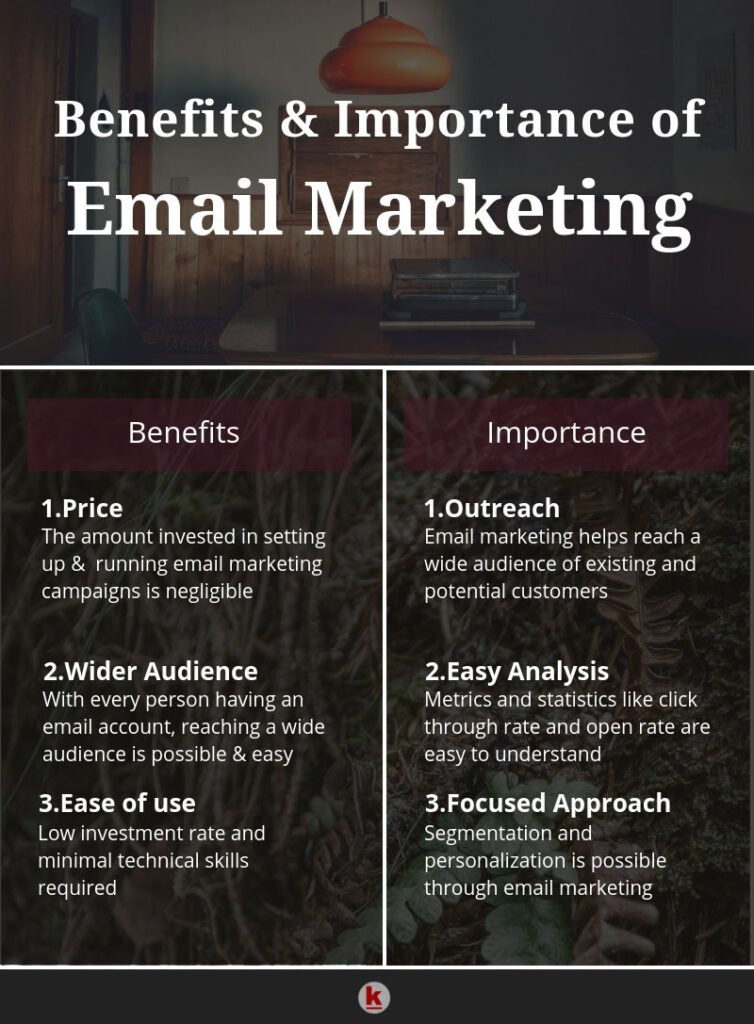
Compared to traditional advertising, email marketing is affordable and suitable for businesses with any budget. There are no printing or postage costs, making it one of the most economical marketing channels.
2. Direct Communication
Email allows businesses to communicate directly with customers without depending on social media algorithms or search engine rankings.
3. Personalized Customer Experience
Modern email marketing platforms allow businesses to personalize emails using customer names, purchase history, browsing behavior, and preferences.
Personalized emails often receive higher open rates and click-through rates than generic messages.
4. Increased Website Traffic
Every email campaign can include links that drive subscribers to blog posts, product pages, landing pages, or special offers, helping increase website traffic.
5. Better Customer Retention
Keeping existing customers is often more cost-effective than acquiring new ones. Email marketing helps businesses stay connected through regular updates, promotions, and helpful content.
6. Measurable Performance
Unlike traditional marketing, email campaigns provide detailed analytics such as:
- Open Rate
- Click-Through Rate (CTR)
- Conversion Rate
- Bounce Rate
- Unsubscribe Rate
- Revenue Generated
These insights help marketers continuously improve campaign performance.
Types of Email Marketing Campaigns
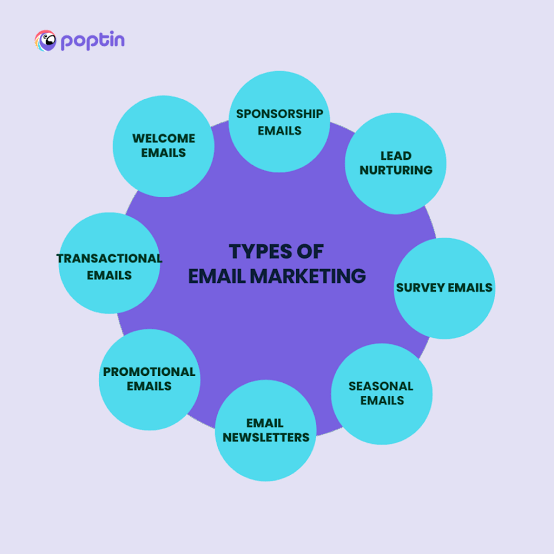
Businesses use different types of email campaigns depending on their marketing goals.
Welcome Emails
These emails introduce new subscribers to your brand and create a positive first impression.
Newsletter Emails
Regular newsletters share company updates, blog articles, industry news, and valuable resources with subscribers.
Promotional Emails
These emails highlight discounts, limited-time offers, seasonal sales, and product launches to encourage purchases.
Transactional Emails
Automatically sent after specific customer actions, such as order confirmations, shipping updates, password resets, and payment receipts.
Lead Nurturing Emails
Designed to educate potential customers and guide them through the buying journey until they are ready to make a purchase.
Re-engagement Emails
Target inactive subscribers with special offers, reminders, or personalized content to encourage them to interact with your brand again.
Building a Quality Email List
A successful email marketing campaign starts with a strong subscriber list.
Some effective methods include:
- Website signup forms
- Landing pages
- Lead magnets (eBooks, guides, checklists)
- Free webinars
- Exclusive discounts
- Newsletter subscriptions
- Social media promotions
Avoid purchasing email lists, as they often result in poor engagement and may violate email marketing regulations.
Creating Effective Email Campaigns
Successful email campaigns require thoughtful planning and execution.
Write an Engaging Subject Line
The subject line determines whether recipients open your email. Keep it clear, relevant, and compelling.
Example:
- 10 SEO Tips to Boost Your Website Traffic
- Limited-Time Offer: Save 30% Today
- Welcome to Our Community!
Personalize the Email
Use the recipient’s name and tailor the content based on their interests or previous interactions.
Keep the Design Simple
A clean, mobile-friendly layout improves readability and user experience.
Include Valuable Content
Focus on solving customer problems rather than only promoting products.
Add a Strong Call-to-Action (CTA)
Encourage readers to take the next step with clear CTAs such as:
- Learn More
- Shop Now
- Download Free Guide
- Book a Consultation
- Start Your Free Trial
Email Marketing Best Practices
Following industry best practices can significantly improve campaign performance.
- Segment your audience based on interests or behavior.
- Personalize email content whenever possible.
- Optimize emails for mobile devices.
- Use high-quality visuals sparingly.
- Test different subject lines through A/B testing.
- Send emails consistently but avoid overwhelming subscribers.
- Maintain a clean email list by removing inactive contacts.
- Include an easy unsubscribe option.
- Monitor analytics and improve future campaigns.
Consistency and relevance are key to building trust with your audience.
Common Email Marketing Mistakes to Avoid
Many businesses fail to achieve desired results because of common mistakes.
Avoid these issues:
- Sending emails too frequently
- Ignoring mobile optimization
- Using misleading subject lines
- Buying email lists
- Sending generic messages to all subscribers
- Forgetting to test emails before sending
- Including too many links
- Weak or unclear call-to-action
- Ignoring email analytics
- Not complying with privacy regulations
Avoiding these mistakes helps improve engagement and maintain a positive sender reputation.
Measuring Email Marketing Success
Tracking campaign performance helps businesses understand what works and what needs improvement.
Key metrics include:
- Open Rate
- Click-Through Rate (CTR)
- Conversion Rate
- Bounce Rate
- Unsubscribe Rate
- Spam Complaint Rate
- Revenue Per Email
- Subscriber Growth Rate
Analyzing these metrics enables marketers to optimize future campaigns for better results.
Email Marketing Tools
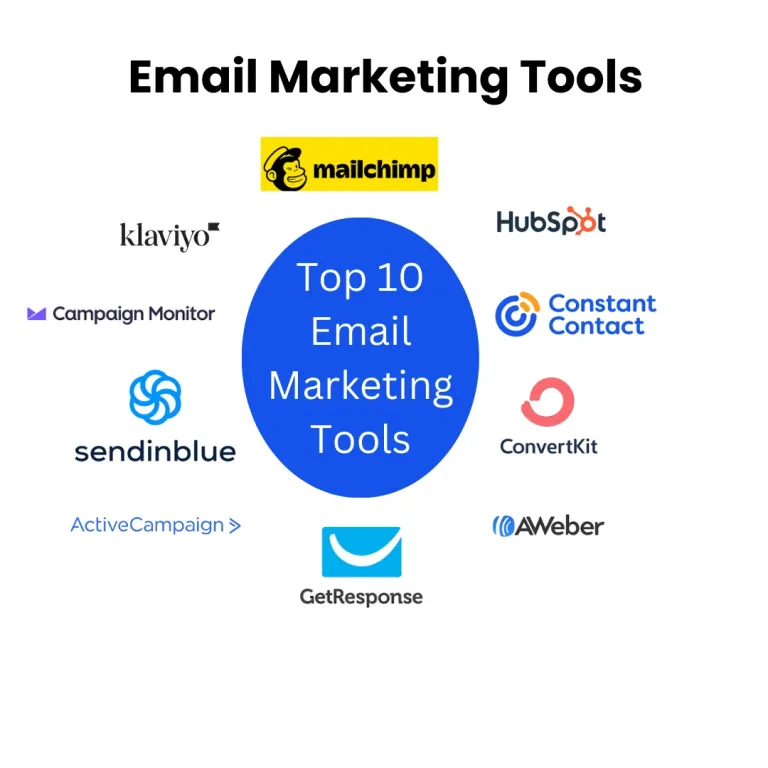
Several professional platforms make it easier to create, automate, and analyze email campaigns.
Popular email marketing tools include:
- Mailchimp
- Brevo (formerly Sendinblue)
- Constant Contact
- ActiveCampaign
- ConvertKit
- HubSpot
- GetResponse
- MailerLite
- Campaign Monitor
These tools offer features such as automation, audience segmentation, analytics, templates, and A/B testing.
Future Trends in Email Marketing
Email marketing continues to evolve alongside advances in technology.
Emerging trends include:
- AI-powered email personalization
- Predictive customer segmentation
- Interactive email content
- Automation workflows
- Dynamic product recommendations
- Privacy-focused marketing
- Hyper-personalized customer journeys
- AMP emails for interactive experiences
Businesses that embrace these innovations will create more engaging and effective email campaigns.
Conclusion
Email marketing remains one of the most reliable and profitable digital marketing strategies for businesses seeking sustainable growth. By delivering personalized, relevant, and timely messages, companies can strengthen customer relationships, nurture leads, increase website traffic, and drive more conversions.
Success in email marketing depends on building a quality subscriber list, creating valuable content, optimizing campaigns for mobile devices, and continuously measuring performance. When combined with audience segmentation, automation, and thoughtful personalization, email marketing becomes a powerful tool for improving customer engagement and maximizing return on investment.
Whether you’re a startup, an eCommerce business, or an established enterprise, investing in a well-planned email marketing strategy can help you connect with your audience, build trust, and achieve long-term business success in today’s competitive digital landscape.